Be yourself; Everyone else is already taken.
— Oscar Wilde.
This is the first post on my new blog. I’m just getting this new blog going, so stay tuned for more. Subscribe below to get notified when I post new updates.
Be yourself; Everyone else is already taken.
— Oscar Wilde.
This is the first post on my new blog. I’m just getting this new blog going, so stay tuned for more. Subscribe below to get notified when I post new updates.
Overview
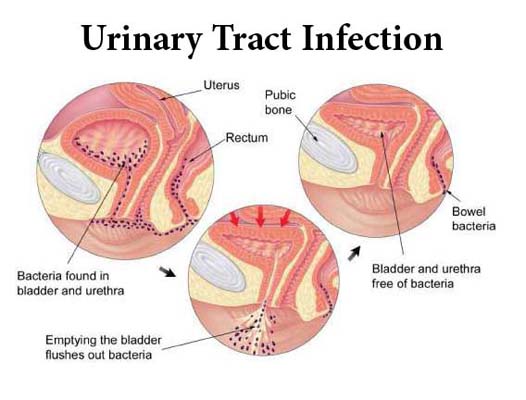
A urinary tract infection (UTI) is an infection in any part of your urinary system — your kidneys, ureters, bladder and urethra. Most infections involve the lower urinary tract — the bladder and the urethra.
Women are at greater risk of developing a UTI than are men. Infection limited to your bladder can be painful and annoying. However, serious consequences can occur if a UTI spreads to your kidneys.
Doctors typically treat urinary tract infections with antibiotics. But you can take steps to reduce your chances of getting a UTI in the first place.
Urinary tract infections don’t always cause signs and symptoms, but when they do they may include:
You can take these steps to reduce your risk of urinary tract infections:
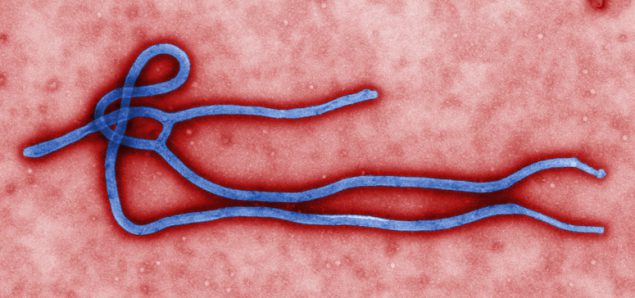
Ebola is a virus that causes problems with how your blood clots. It is known as a hemorrhagic fever virus, because the clotting problems lead to internal bleeding, as blood leaks from small blood vessels in your body. The virus also causes inflammation and tissue damage. Five different species of the virus have been found.
Ebola is spread through direct contact with body fluids –blood, saliva, sweat, tears, mucus, vomit, feces, breast milk, urine, and semen — of people infected with it. It is also spread by touching things that have been contaminated with these fluids.
Key Facts About Ebola
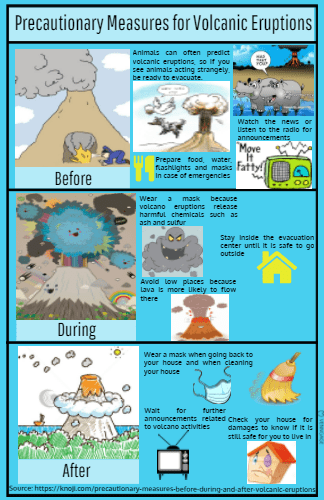
Here are precautionary measures before volcanic eruptions:
· Everyone should be aware of the dangers that volcanic eruptions pose to lives and be prepared to face whatever circumstances the eruption may bring.
· Prepare all necessary things to bring once evacuation is needed. Those in danger zones are warned when to evacuate. Once given the signal refrain from saying you will be all right. Refusing to evacuate will pose more serious problems.
· Store as much food, water, light sources and batteries that are very useful in case of emergency.
· Volcanic eruptions have ash falls so be prepared for masks or anything to cover nose and mouth.
· Prioritize the safety of kids before other things. If you have relatives or friends who are far from the volcano, take your children there until such time that your place is safe.
Here are precautionary measures during volcanic eruptions:
· Avoid all low-lying places because lava flows and mudflows are more likely to pass them.
· Seek cover in case of ash falls rock falls.
· Use masks and cover your mouth and nose to avoid breathing in ashes.
· If you are inside a house; close all doors and windows to avoid ashes from getting inside.
· Always stay indoors.
· Stay in the evacuation center until further instructions. Do not attempt to leave the place unless told to do so.
· Keep a watchful eye on the kids because they might be tempted to go out and see what is going on outside.
Here are precautionary measures after volcanic eruptions:
· Go back to your house but leave the kids behind with someone who can take care of them while you check your house.
· Clean everything around your house and check all damages incurred.
· Use masks while cleaning ash and other debris.
· Wait for further announcements related to the volcano activities.
· Make sure that your house is still safe for all of you.
Coronaviruses are spread mainly from person to person through close contact, for example, in a household, workplace or health care centre. The 2019 novel coronavirus has evidence of limited human-to-human transmission. There is no vaccine available to protect against the 2019 novel coronavirus.
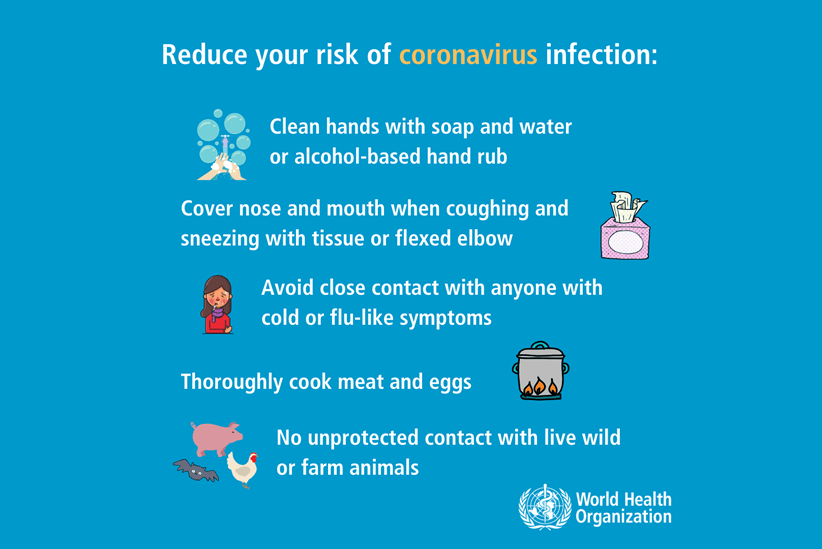
There are everyday actions that can help prevent the spread of germs that cause respiratory illnesses. Take these everyday steps to reduce exposure to the virus and protect your health:
1. wash your hands often with soap and water
2. sneeze and cough into your sleeve
3. avoid touching your eyes, nose or mouth
4. avoid contact with people who are sick
5. stay home if you are sick
If you are travelling to an area known to have cases of coronavirus, be sure to avoid:
1. high-risk areas such as farms, live animal markets and areas where animals may be slaughtered
2. contact with animals (alive or dead), including pigs, chickens, ducks and wild birds
3. surfaces with animal droppings or secretions on them
This is an example post, originally published as part of Blogging University. Enroll in one of our ten programs, and start your blog right.
You’re going to publish a post today. Don’t worry about how your blog looks. Don’t worry if you haven’t given it a name yet, or you’re feeling overwhelmed. Just click the “New Post” button, and tell us why you’re here.
Why do this?
The post can be short or long, a personal intro to your life or a bloggy mission statement, a manifesto for the future or a simple outline of your the types of things you hope to publish.
To help you get started, here are a few questions:
You’re not locked into any of this; one of the wonderful things about blogs is how they constantly evolve as we learn, grow, and interact with one another — but it’s good to know where and why you started, and articulating your goals may just give you a few other post ideas.
Can’t think how to get started? Just write the first thing that pops into your head. Anne Lamott, author of a book on writing we love, says that you need to give yourself permission to write a “crappy first draft”. Anne makes a great point — just start writing, and worry about editing it later.
When you’re ready to publish, give your post three to five tags that describe your blog’s focus — writing, photography, fiction, parenting, food, cars, movies, sports, whatever. These tags will help others who care about your topics find you in the Reader. Make sure one of the tags is “zerotohero,” so other new bloggers can find you, too.
Have a WordPress.com account? Log in now.

