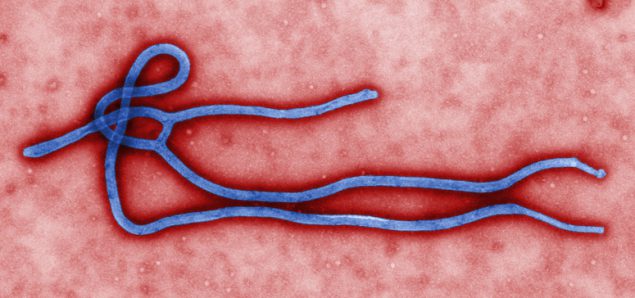
Ebola is a virus that causes problems with how your blood clots. It is known as a hemorrhagic fever virus, because the clotting problems lead to internal bleeding, as blood leaks from small blood vessels in your body. The virus also causes inflammation and tissue damage. Five different species of the virus have been found.
Ebola is spread through direct contact with body fluids –blood, saliva, sweat, tears, mucus, vomit, feces, breast milk, urine, and semen — of people infected with it. It is also spread by touching things that have been contaminated with these fluids.
Key Facts About Ebola
- Ebola is one of numerous hemorrhagic fever viruses. Case fatality rates have varied from 25 to 90 percent in past outbreaks. The average case fatality rate is around 50 percent.
- Ebola first appeared in 1976 in two simultaneous outbreaks in Africa.
- The virus is transmitted to people from wild animals and spreads in the human population through human-to-human transmission.
- The natural reservoir, or host, remains unknown. However, researchers consider the fruit bat as the most likely natural reservoir.
- When an infection does occur in humans, it can be transmitted to others through:
- Direct contact with the blood or secretions of an infected person
- Exposure to objects, such as needles, that have been contaminated with infected secretions
- Severely ill patients require intensive, supportive care. No licensed treatment or vaccine is available for use in people or animals.
 Vincent's Blog